


Our Grading Tier:
Excellent: 80–95% finish, solid wood with minor wear, very good to excellent bore. Non-critical hairline cracks acceptable. Arsenal repairs or spliced wood common on some models (Russian, Yugoslav or Finnish rifles). About as good as surplus gets.
Very Good: 60–80% finish, honest wear, good to very good bore. Solid serviceable condition with normal handling marks.
Good: 40–60% finish, moderate wear/repairs, fair to good bore. Functional rifle with visible service history.
Fair: Less than 40% finish, heavy wear or damage, worn bore. Project gun or parts donor.
Description:
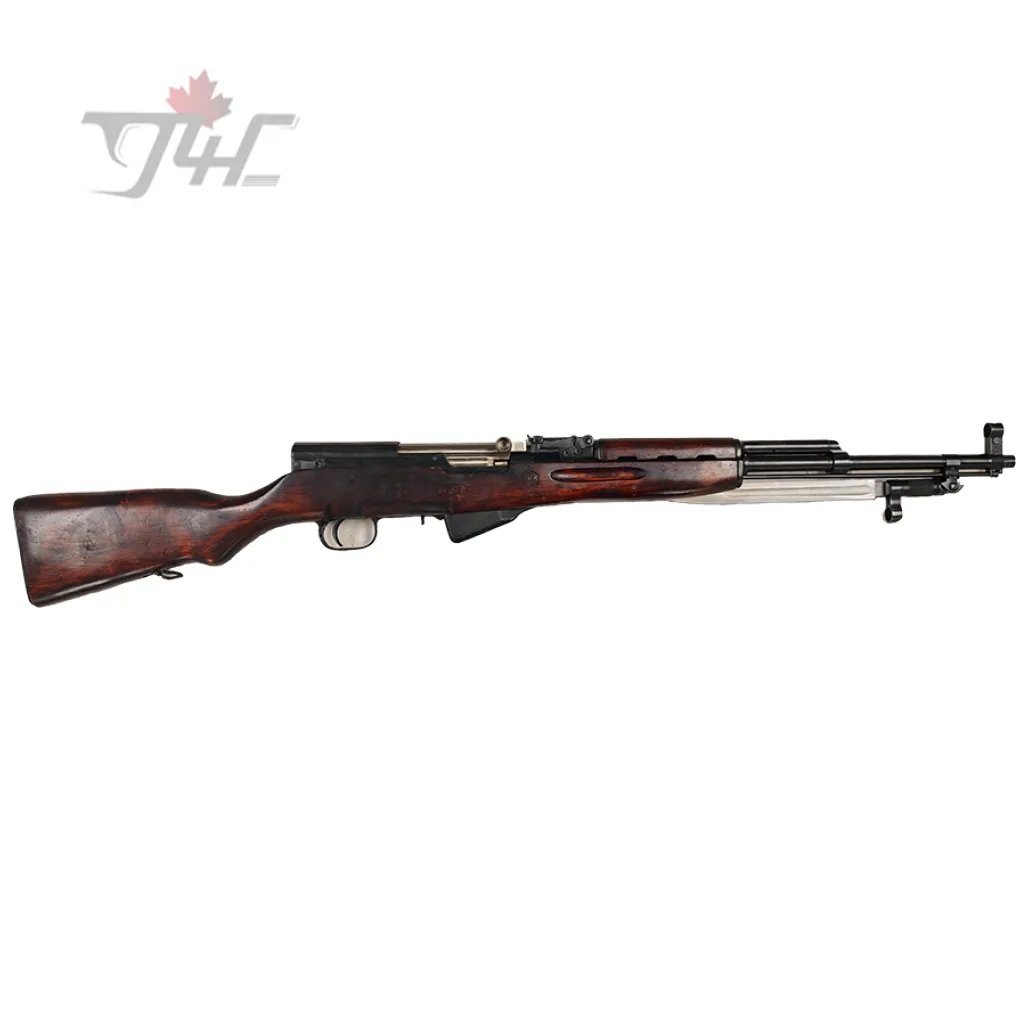
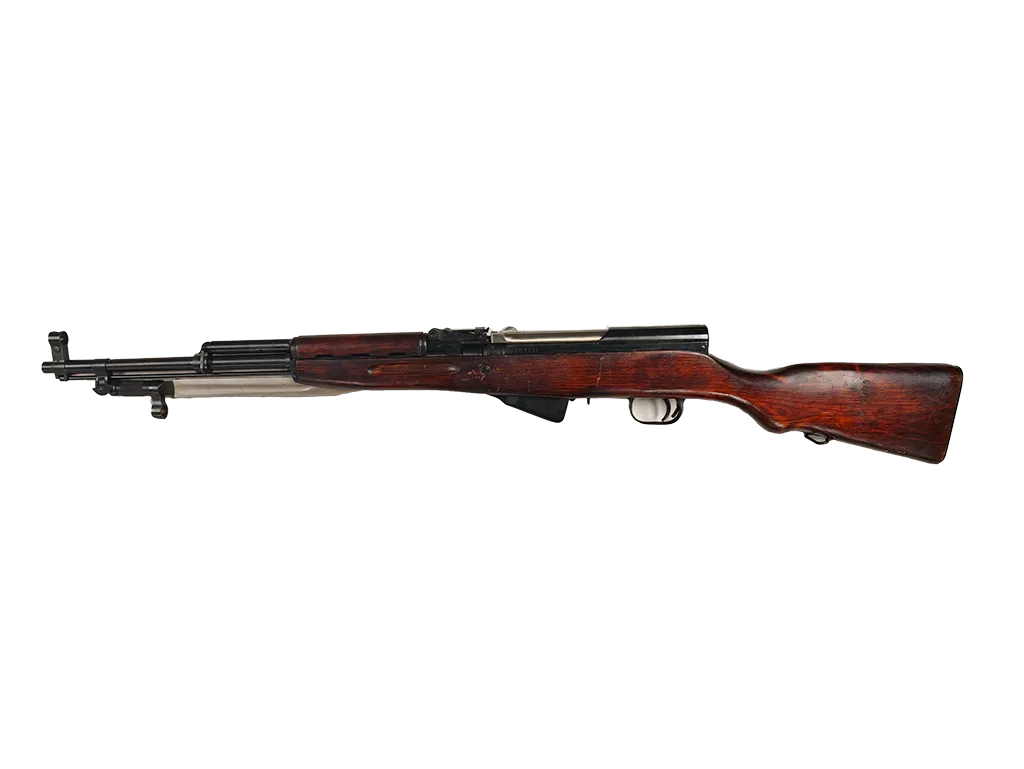
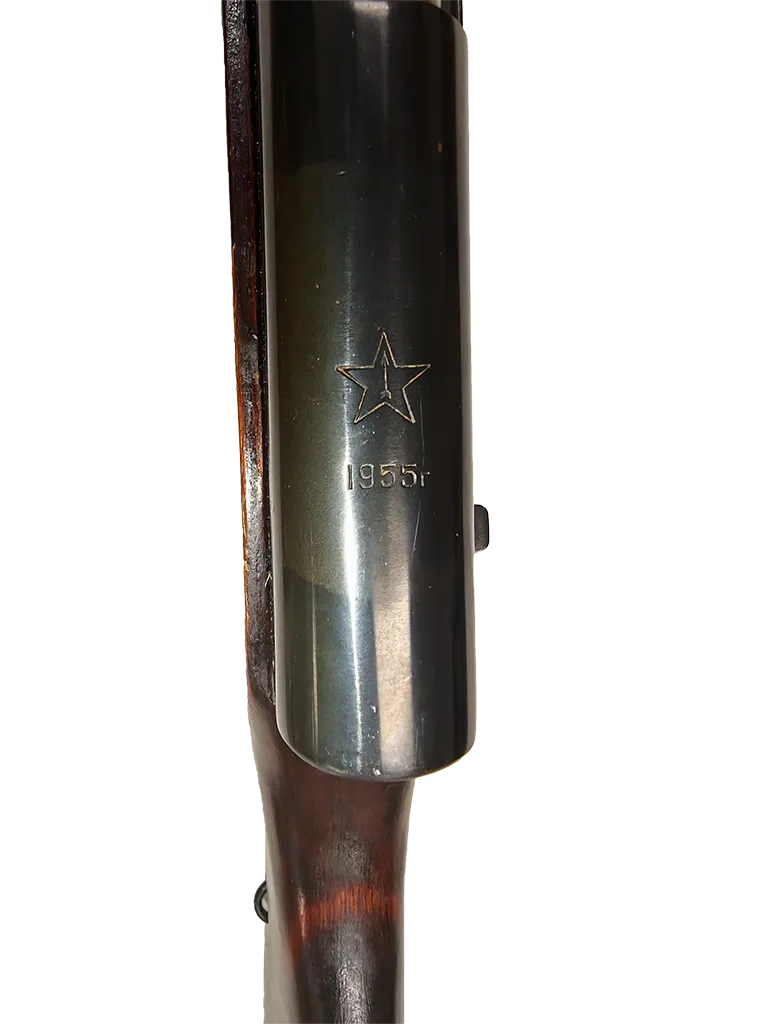
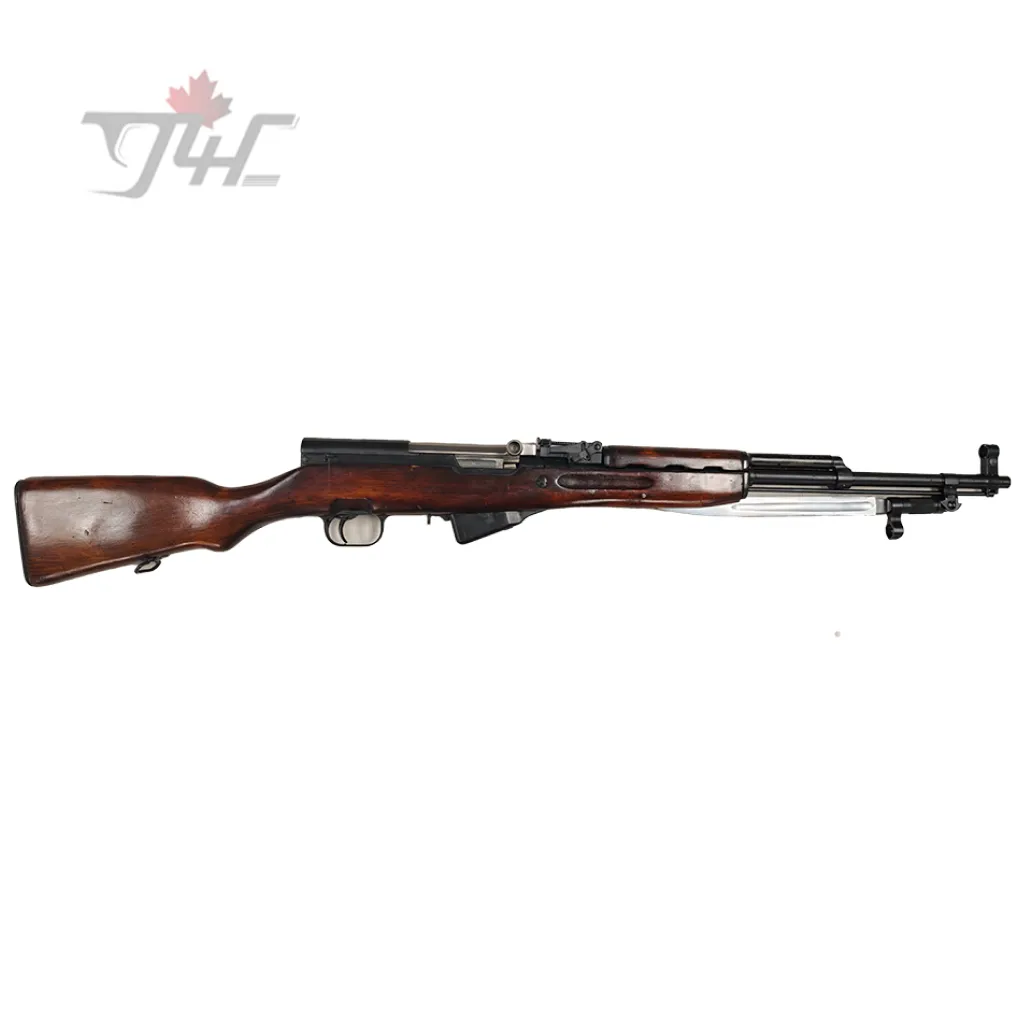
We are pleased to offer a superb example of a mid-1950s Soviet semi-automatic carbine: a 1955-dated Russian SKS manufactured at the Tula Arsenal, in excellent overall condition. This rifle is all matching in serial numbers with the exception of the magazine and features its original Arctic birch stock, a combination that makes it highly desirable for both collectors and shooters.
Historical Background
The SKS was adopted by the Soviet Union in 1949 and served as the Red Army’s standard semi-automatic infantry rifle until the AK-47 became ubiquitous. The Tula Arsenal was one of the two primary Soviet producers, alongside Izhevsk, and Tula rifles are particularly prized by collectors for their excellent fit, finish, and attention to detail. The 1955 production year falls in the mature period of SKS manufacture, when production methods had been refined and quality control was at its peak. By this time, the SKS was nearing the end of its front-line service life, but examples from this period remain some of the best-made SKS rifles ever produced. Rifles from 1955 are known for their deep bluing, smooth actions, and reliable chrome-lined barrels.
Condition and Features
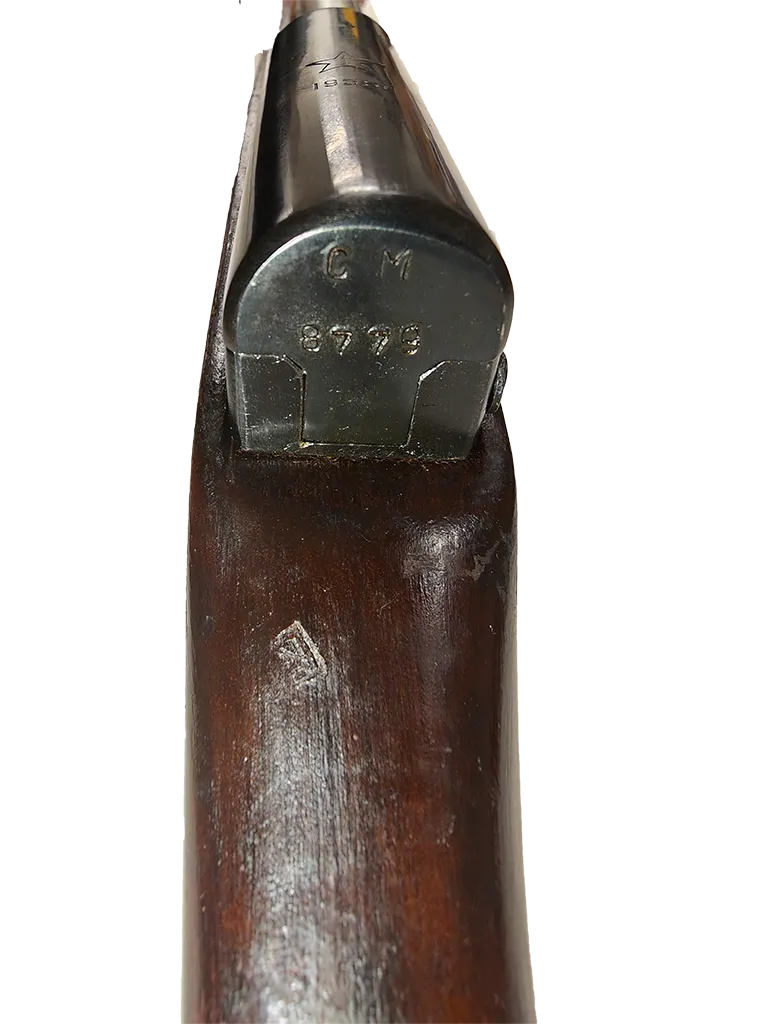
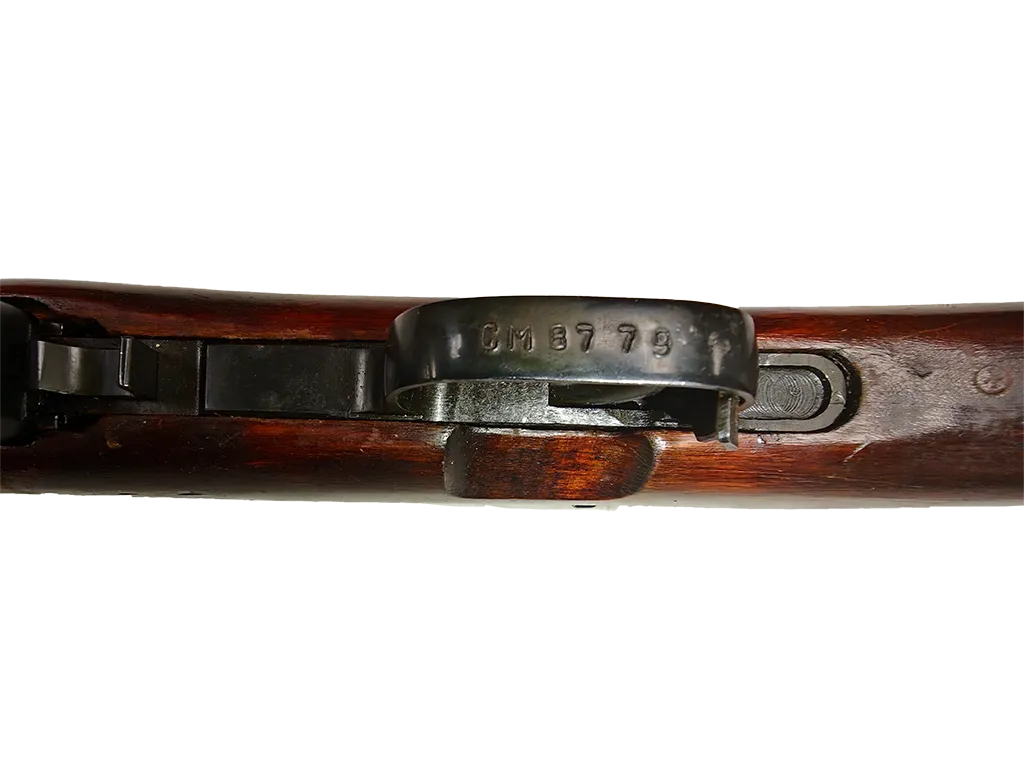
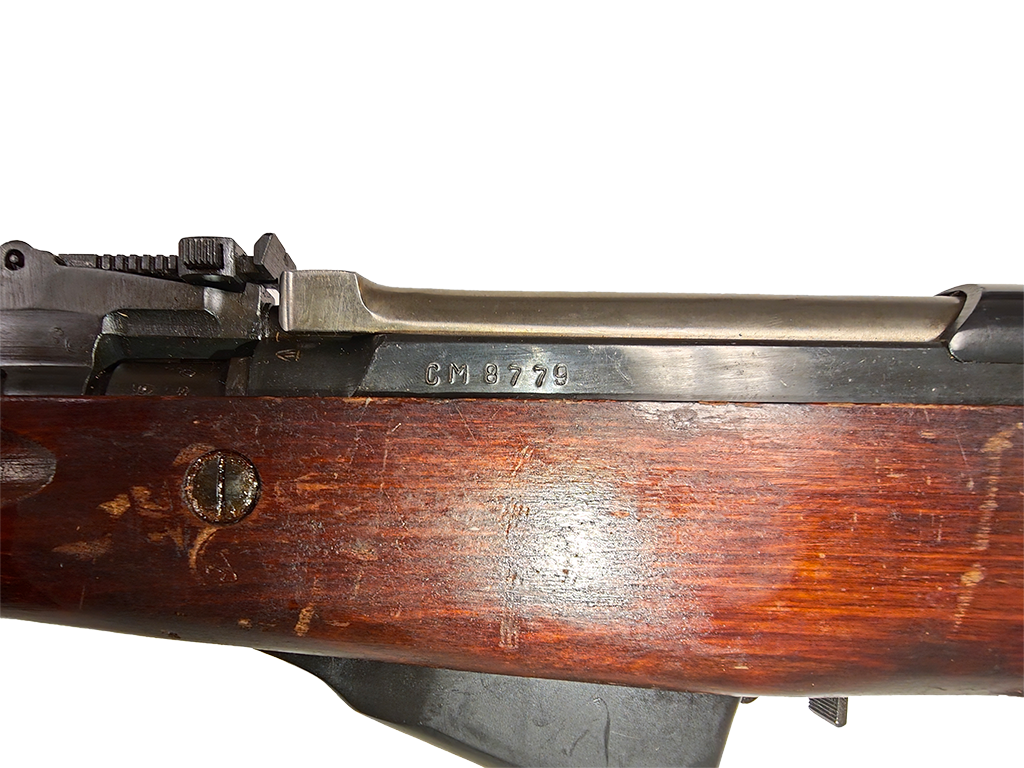
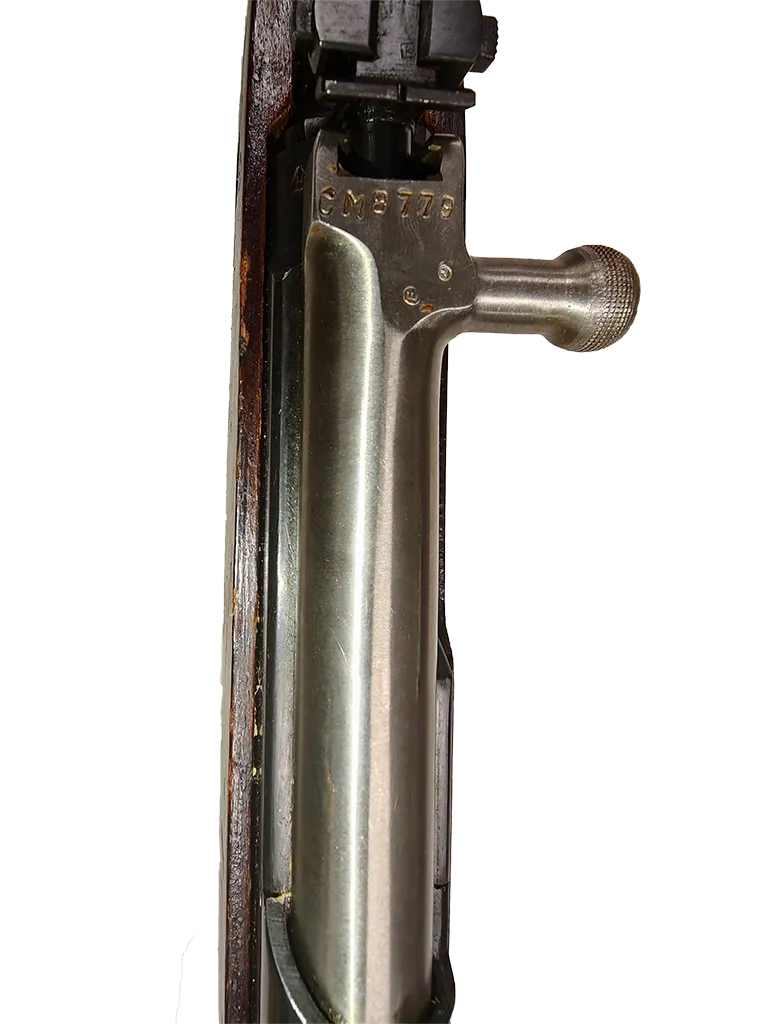
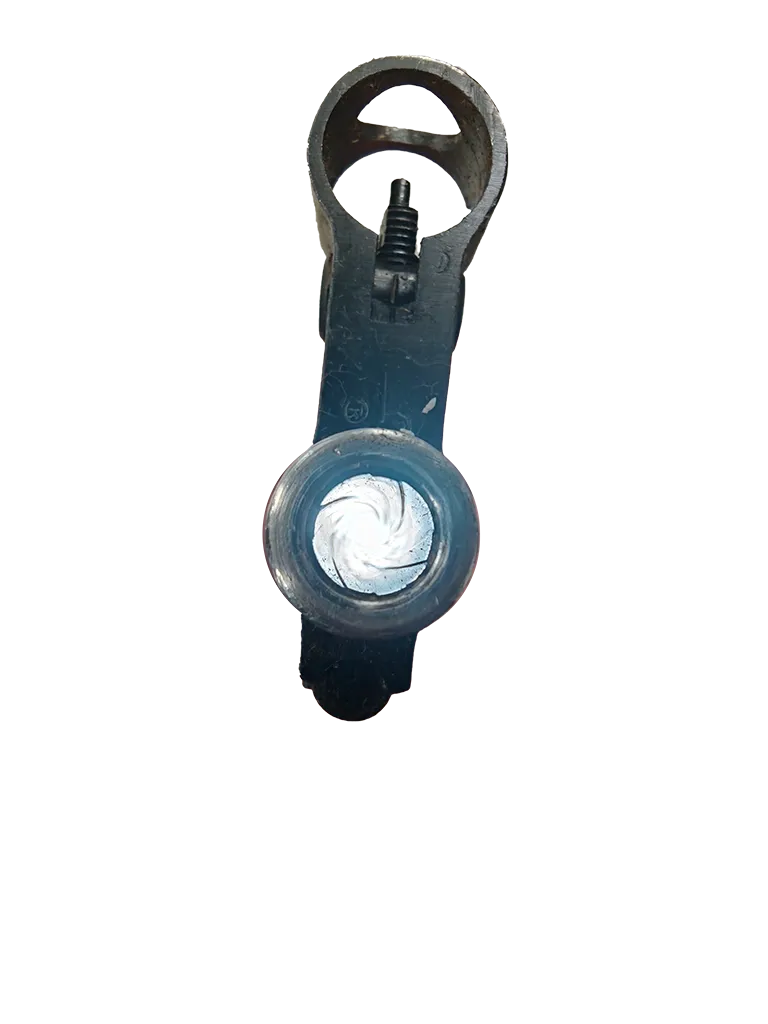
This rifle is in excellent overall condition. The metal retains strong original bluing with crisp Tula markings, the 1955 date, and Soviet proof stamps on the receiver, bolt, carrier, and other components. The bore is bright with sharp, chrome-lined rifling, a testament to proper Soviet maintenance and the longevity of the SKS design. The action cycles smoothly, and the trigger is crisp. The integral folding bayonet is intact and functions correctly. The cleaning rod is present.
Matching Numbers and Magazine
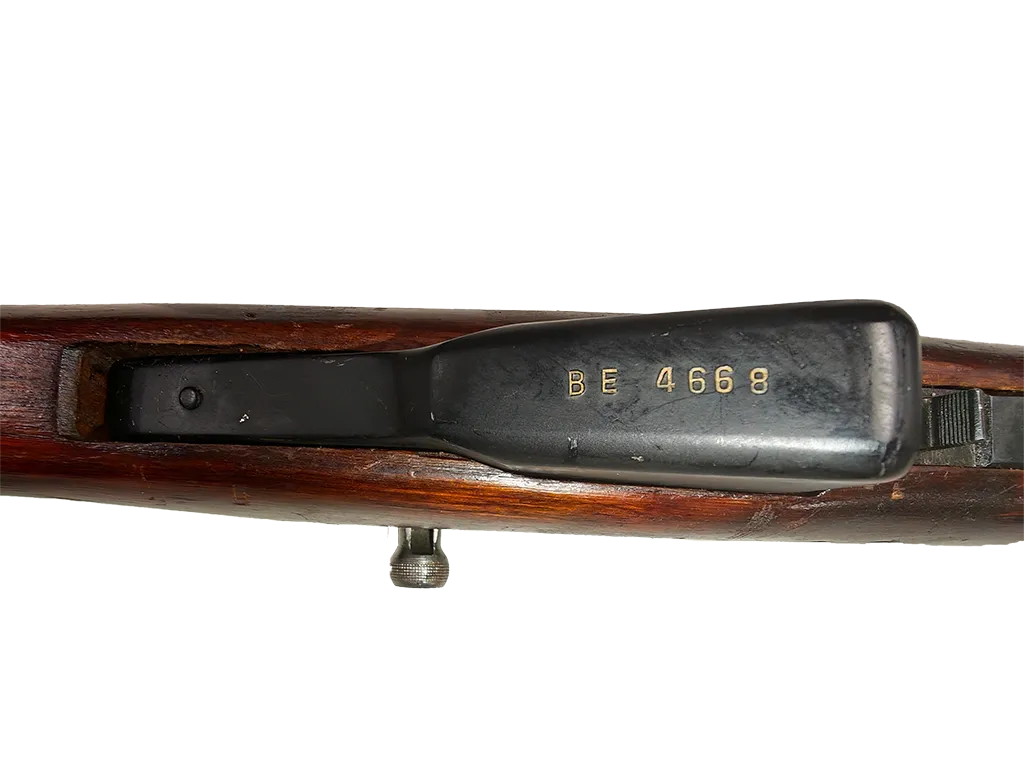
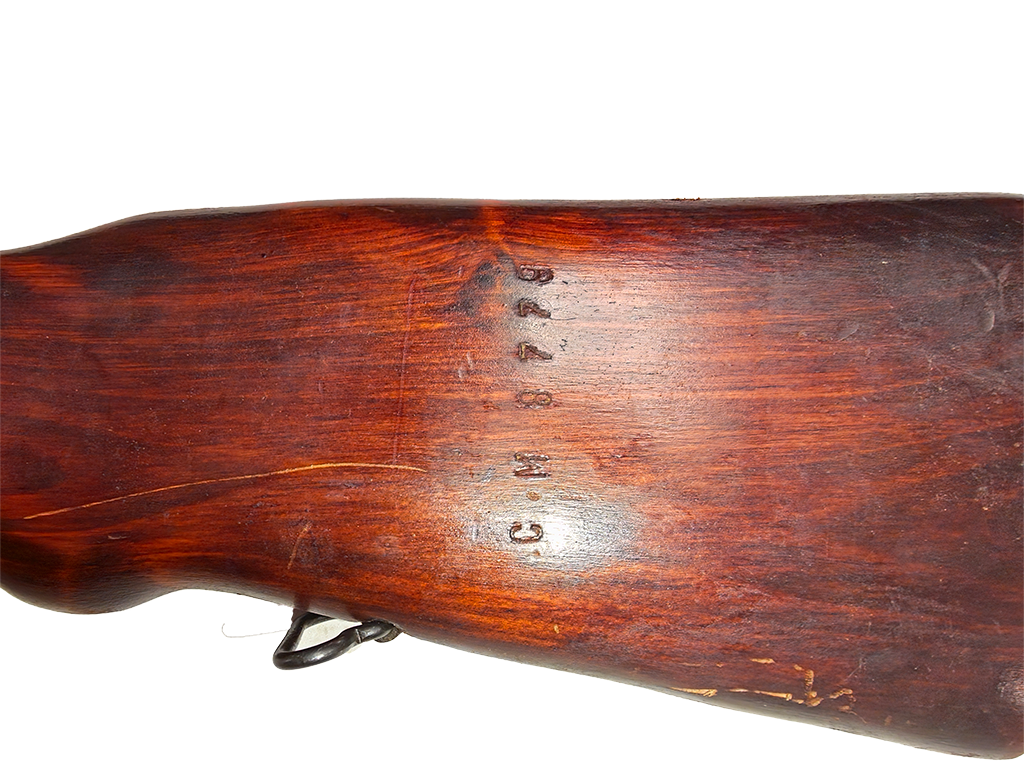
The rifle is all matching on its primary components, including the receiver, bolt, bolt carrier, trigger group, and stock. The magazine is non-matching, which is a common occurrence as magazines were often removed, lost, or swapped during field use or arsenal refurbishment. This minor mismatch does not affect function and is reflected in the pricing. It is noted for full transparency.
Original Arctic Birch Stock
The rifle features its original Arctic birch stock, a dense, light-colored wood known for its strength and distinctive grain pattern. Arctic birch stocks are highly sought after by collectors, as they are often better preserved than later laminate stocks and offer a classic Cold War aesthetic. This stock is in excellent condition, with a well-preserved finish and minimal handling marks, showing no cracks or major damage. The stock retains its original shellac finish, which has aged to a warm, attractive patina.
Please Note
This rifle does not include a cleaning kit in the stock. This is a common omission on surplus rifles and does not affect the rifle’s function or shootability. It is noted for full transparency.
Collector Appeal
For the collector of Soviet military arms, Cold War semi-automatic rifles, or SKS enthusiasts, this 1955 Tula example offers a solid opportunity. Its excellent condition, all-matching metal and stock (with non-matching magazine), original Arctic birch stock, and documented production provenance make it a well-rounded and desirable piece. It is equally suitable for display, research, or as a reliable and accurate shooter. This is a tangible piece of Cold War history, ready for the range or the collection.
Important Notice Regarding Military Surplus Firearms:
Historical Artifacts: These rifles are typically 50-100+ years old and have served through wars, training, and storage. They are collectible historical items, not new commercial firearms.
Honest Wear Expected: Minor dings, scratches, handling marks, and edge wear are normal and do not affect grading.
Wood Cracks: Hairline cracks in non-critical areas (e.g., forend, buttstock sides) are common in aged wood and do not downgrade a rifle unless they affect structural integrity. Any critical cracks will be noted.
Non-Matching Numbers: Many surplus rifles have non-matching bolts, magazines, or parts. This is common and does not necessarily affect function or value. Matching numbers will always be noted if present.
Bore Condition: Bore condition is graded separately (Excellent, Very Good, Good, Fair). A “Good” bore on a 1940s rifle is often perfectly acceptable and shootable.
Cosmoline: Rifles stored in cosmoline may require thorough cleaning before use. Cosmoline preservation is a bonus, not a guarantee of a “new” rifle.


Reviews
There are no reviews yet.